How Radiator Repairs Can Get You Back on the Road
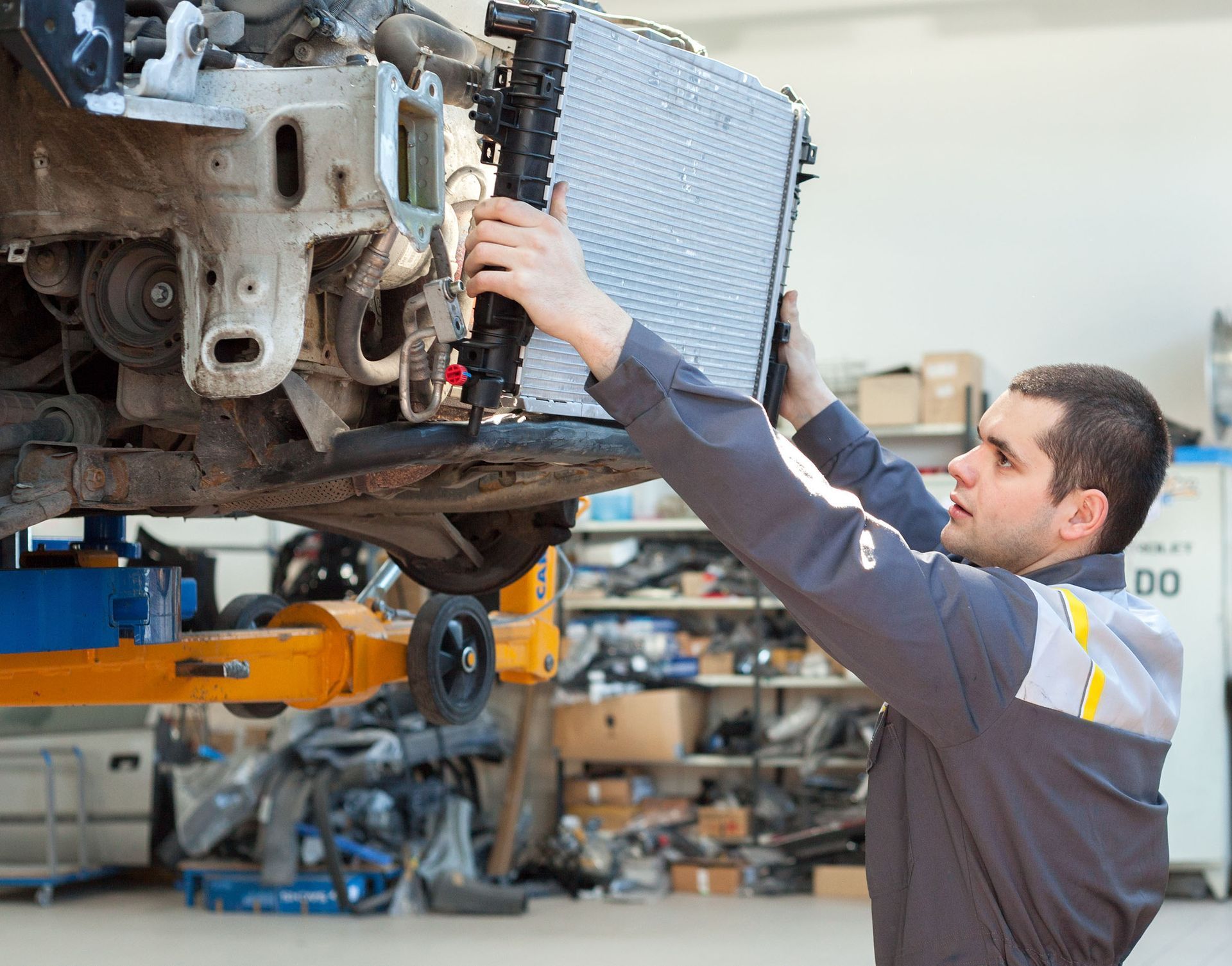
The radiator is a vital part of your vehicle's cooling system. When it malfunctions, it can lead to engine overheating, costly damage, and even leave you stranded on the road. Radiator repairs address these problems, restoring proper engine temperature regulation and preventing breakdowns. Radiators help dissipate the heat generated during engine combustion, protecting components from premature wear and damage. Timely radiator maintenance ensures your vehicle stays reliable and safe, allowing you to focus on the road ahead without worry. Regular attention to radiator health also contributes to overall fuel efficiency, helping your semi-truck operate more economically over long distances. For commercial drivers, avoiding downtime due to radiator failures can prevent lost revenue and ensure deliveries stay on schedule.
Explain the Role of the Radiator in Engine Cooling
A radiator functions as a heat exchanger in your vehicle's cooling system. As coolant circulates through the engine, it absorbs heat and carries it to the radiator, where it is released into the air. The airflow from the vehicle's motion and the fan assist in dispersing this heat efficiently. Without a functional radiator, the engine can quickly overheat, potentially causing expensive damage to cylinders, gaskets, and other components. Regular attention to radiator repairs prevents such outcomes and keeps your semi-truck performing at its best. Consistent cooling also improves engine lifespan, reducing the frequency of costly major repairs. A well-maintained radiator system can also improve overall engine efficiency, reduce emissions, and provide more consistent performance during long-haul trips or in extreme weather conditions.
Identify the Main Components of a Radiator System
The radiator system consists of several crucial components: the core, tanks, and fins. The core is the central section where heat exchange occurs, while the tanks collect and distribute coolant. Fins attached to the core increase surface area, allowing heat to dissipate more effectively. Coolant hoses and a thermostat regulate flow throughout the system. Ensuring these components function correctly is key, as any failure can compromise the entire cooling process. Maintaining these parts through professional radiator repairs can prevent minor issues from escalating into major engine damage. For drivers who rely on their trucks daily, small problems like a worn hose or a clogged fin can quickly become serious, making preventive maintenance essential.
Describe How Heat Exchange Works in a Radiator
Heat exchange in a radiator is a balance of fluid dynamics and airflow. Hot coolant from the engine passes through narrow tubes in the radiator core. Surrounding fins accelerate heat dissipation, and moving air carries heat away from the radiator. The cooled fluid returns to the engine to maintain an optimal temperature. Any interruption in this process — like leaks, blockages, or damaged fins — can reduce efficiency. Radiator maintenance is essential for preventing engine damage and maintaining performance. Properly functioning radiators also help prevent unnecessary wear on other engine components, such as water pumps and hoses, by keeping the system balanced. Maintaining consistent heat management can also prevent fluctuating engine performance, which is especially critical during heavy hauling or when climbing steep grades.
Recognize Symptoms of a Failing Radiator
Early detection of radiator issues can prevent costly repairs. Common signs include overheating, low coolant levels, white exhaust smoke, or puddles of coolant beneath the vehicle. An illuminated check engine light or fluctuating temperature gauge can also signal radiator problems. Addressing these symptoms promptly through professional radiator repairs reduces the risk of long-term engine damage and keeps your semi-truck operational. Noticing minor warning signs early allows for smaller repairs that are faster, less expensive, and more convenient than dealing with a complete cooling system failure. Additionally, paying attention to unusual smells or hissing sounds near the radiator can indicate pressure problems or leaks before they become emergencies.
Emphasize the Importance of Regular Radiator Maintenance
Routine radiator maintenance is crucial for performance and longevity. Checking coolant levels, flushing the system periodically, and inspecting hoses and clamps prevent leaks and overheating. Maintaining a clean, efficient cooling system reduces the likelihood of major repairs and extends the life of your radiator. For semi-truck drivers, this proactive approach ensures consistent performance during long hauls and prevents unexpected downtime. Regular maintenance also supports fuel efficiency and reduces stress on the engine, which can save both time and money over the life of your vehicle. Scheduling routine maintenance before extreme weather or long trips can also prevent seasonal breakdowns and improve overall vehicle reliability.
Address Common Radiator Problems
Radiator issues often include coolant leaks, clogged fins, malfunctioning thermostats, cracked tanks, and corrosion. Leaks can stem from deteriorated hoses, damaged tanks, or faulty seals. If untreated, they can cause low coolant levels and engine overheating. Clogged fins reduce airflow and impair heat dissipation, forcing the engine to work harder and reducing fuel efficiency. A malfunctioning thermostat can make the engine run too hot or too cold, impacting emissions and engine wear. Cracked radiator tanks and corrosion further compromise cooling efficiency. Addressing these problems promptly through radiator repairs preserves engine performance and prevents more costly damage. Semi-truck drivers who ignore these signs risk not only costly repairs but also dangerous situations on the road.
Use Diagnostic Tools for Accurate Radiator Repairs
Monitoring the temperature gauge, performing radiator pressure tests, conducting visual inspections, and interpreting diagnostic codes all help identify radiator issues early. Some problems, like internal corrosion or complex electronic failures, require professional attention. According to the Mechanic Advisor, the first mechanic's union was formed in 1917, highlighting the long-standing expertise in the repair industry. At Mobile Diesel Electric Radiator and A/C, we bring this tradition to every repair, ensuring reliable service for semi-truck drivers. By using advanced diagnostics, we can pinpoint issues quickly and complete radiator maintenance efficiently, minimizing downtime and keeping drivers on schedule.
Outline Steps for Radiator Maintenance
Proper radiator repairs start with assessing the damage to determine if repair or replacement is necessary. Having the right tools, such as socket sets, screwdrivers, pliers, and pressure testers, ensures repairs are accurate and safe. Professional services offer diagnostics, component replacements, and coolant system flushing to restore optimal radiator performance. After any repair, pressure tests, and monitoring the temperature gauge, confirm that the system is functioning correctly, preventing unexpected breakdowns. Following these steps ensures your cooling system remains reliable and extends the service life of the radiator.
Implement Preventive Maintenance for Radiators
Preventive maintenance extends the life of your radiator and keeps your vehicle running efficiently. This includes regular coolant flushing and replacement, inspecting belts and hoses for wear, cleaning the radiator exterior to maintain airflow, using coolant additives to prevent corrosion, and scheduling routine mechanic check-ups. These steps help detect issues early, reduce repair costs, and ensure consistent cooling performance for long-haul operations. Preventive maintenance also minimizes the chances of emergency roadside repairs, which can be costly and time-consuming.
Consider Costs Associated With Radiator Maintenance
Radiator repair costs vary depending on damage severity. Simple repairs may cost a few hundred dollars, while replacements are higher. Comparing repair vs. replacement, considering insurance or warranty coverage, and balancing cost with quality of parts and labor are key to making a smart investment. Choosing licensed mechanics who guarantee their work ensures repairs are reliable, prolonging radiator life, and keeping your semi-truck road-ready. Preventive maintenance can also reduce long-term repair expenses and increase the overall return on investment for your vehicle.
Radiator repairs are essential for keeping your semi-truck running safely and efficiently. Understanding how radiators function, recognizing common problems, and performing timely repairs protects your engine and prevents breakdowns. At Mobile Diesel Electric Radiator and A/C, we provide comprehensive services with expert diagnostics, repairs, and maintenance, ensuring your vehicle stays road-ready. Investing in proper radiator care improves performance, extends the life of your engine, and keeps your journeys smooth and worry-free. Our team works closely with you to address cooling system needs promptly, giving you confidence in every mile you drive. Routine attention to radiator health not only prevents costly repairs but also helps maintain safety, efficiency, and reliability for your semi-truck operations.

Share On: