Why Radiator Maintenance Is Essential for Truck Performance and Longevity
In the world of truck maintenance, few components are as crucial—or as frequently overlooked—as the radiator. Responsible for regulating engine temperature and preventing overheating, the radiator plays a vital role in keeping your truck running efficiently and reliably. Neglecting regular truck radiator service can lead to severe engine damage, costly repairs, and unexpected downtime. By understanding how the radiator functions and recognizing the warning signs of trouble, truck owners can take proactive steps to preserve engine performance, reduce operational costs, and extend vehicle lifespan.
1. Understanding the Components That Keep Radiators Efficient
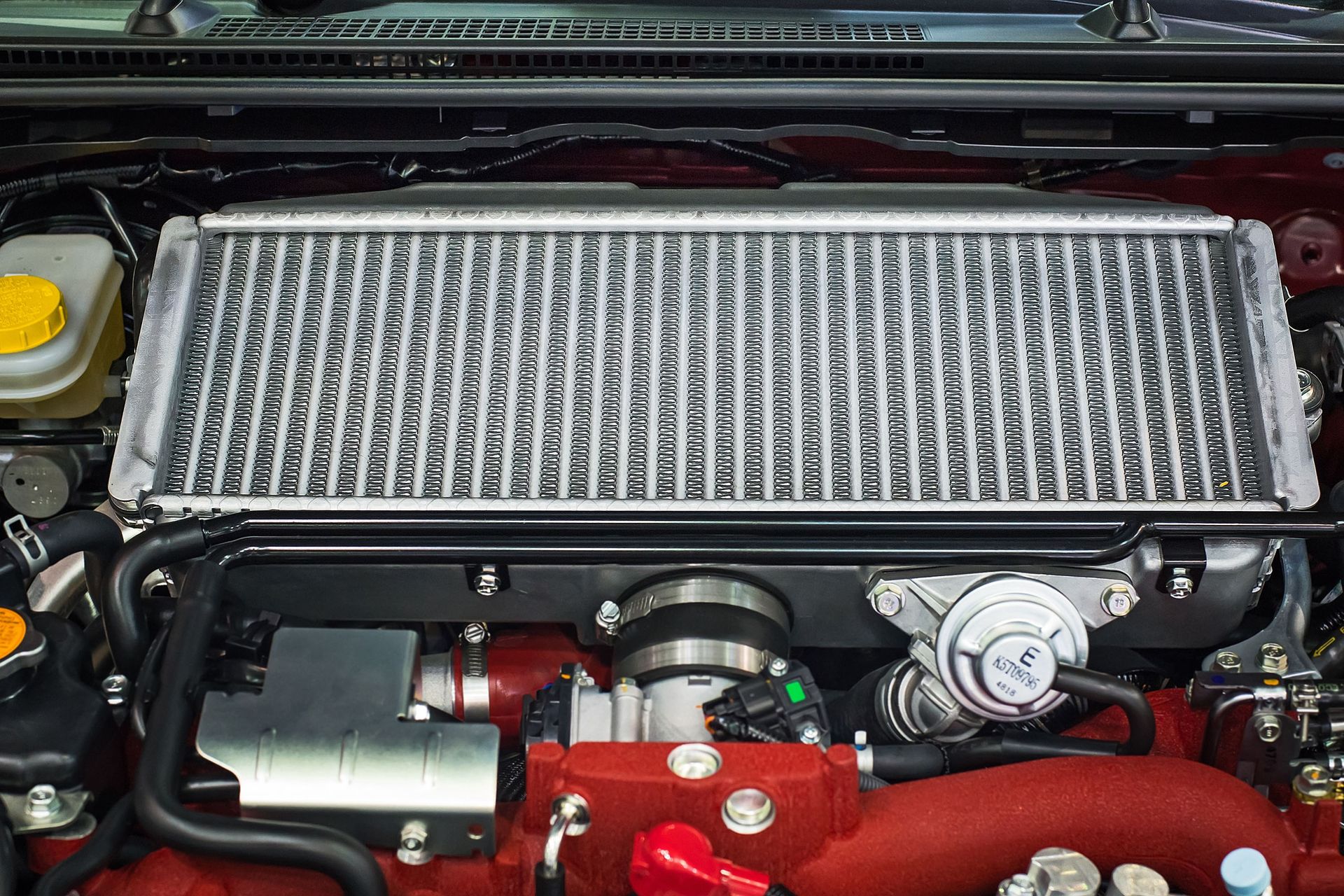
A truck radiator is a complex but finely balanced system of parts. Radiator fins made of aluminum or copper disperse heat quickly, while tubes carry coolant fluid to absorb and transfer heat away from the engine. The radiator cap ensures proper pressure, allowing coolant to reach the right temperature without boiling. The thermostat and cooling fan regulate airflow, preventing overheating during heavy loads or hot conditions. Radiators also rely on hoses, seals, clamps, and gaskets to keep coolant flowing smoothly. A single crack or leak can undermine the system, making routine truck radiator service essential to identify worn or damaged components before they compromise performance.
Beyond the primary components, modern radiators are designed with efficiency and durability in mind. Many now feature reinforced plastic tanks, corrosion-resistant coatings, and advanced sealing technologies to handle the extreme pressures of heavy-duty use. These innovations reduce the likelihood of premature failure and extend the lifespan of the cooling system. Regular truck radiator service ensures these enhanced features continue working as intended, protecting the engine and helping fleets avoid costly downtime.
2. Recognizing the Consequences of Radiator Failure on the Road
When a radiator fails, the results are often severe and immediate. Overheating can warp metal parts, destroy head gaskets, or even cause complete engine breakdown. These problems often appear first as temperature fluctuations, visible coolant leaks, or sudden warning lights. Ignoring the signs can lead to extensive repairs or engine replacement, both of which can devastate operating budgets. Beyond repair costs, downtime caused by radiator failure is a serious issue for businesses that rely on fleet vehicles. Trucks stranded due to overheating create operational delays and safety concerns. Proactive maintenance reduces these risks, keeping vehicles reliable and costs manageable.
3. Ensuring Compatibility Across Different Truck Models
Not all radiators are designed the same, and compatibility is key for efficient performance. Light-duty pickups and heavy-duty haulers require radiators with different cooling capacities and designs to match their engines. Fleet managers must ensure that radiators are properly matched to load demands and driving environments to prevent underperformance. A radiator that lacks the proper design can quickly lead to overheating or inadequate cooling under pressure. Technological innovations have led to radiators tailored for specific truck models, often using lightweight materials or hybrid designs for improved efficiency. Proper truck radiator service includes verifying compatibility during installation or replacement, protecting both performance and compliance with emissions standards.
4. Exploring the Evolution of Modern Radiator Technology
The history of the radiator reflects the broader evolution of automotive technology. Early versions were simple and relied heavily on natural airflow. Today, radiators are highly engineered with lightweight aluminum cores, improved corrosion resistance, and efficient multi-flow designs that optimize fluid circulation. Variable-speed fans and thermostatic controls now ensure consistent cooling in all driving conditions. Diesel engines, known for high efficiency, particularly benefit from these innovations because they require precise temperature regulation. Modern radiator development also reflects eco-friendly practices, with materials and designs focused on reducing environmental impact. Embracing these advances through consistent truck radiator service helps trucks stay efficient, reliable, and aligned with modern performance standards.
Another major advancement has been the integration of electronic monitoring systems. Sensors now track coolant temperature, flow rate, and pressure in real time, allowing drivers and fleet managers to spot potential issues before they escalate. These diagnostic tools not only enhance vehicle safety but also reduce downtime by ensuring problems are addressed proactively. By combining traditional mechanical components with modern electronics, radiators today offer a more comprehensive and dependable cooling solution.
In addition, manufacturers have focused on designing radiators that balance performance with sustainability. Recyclable materials, improved manufacturing processes, and compatibility with alternative coolants reflect the industry’s move toward greener practices. These innovations align with broader environmental regulations while also reducing operating costs for drivers and fleets. Keeping up with these advancements through routine truck radiator service ensures that trucks not only perform at peak efficiency but also meet the demands of a changing automotive landscape.
5. Identifying Warning Signs That Indicate Radiator Trouble
Several symptoms indicate when it’s time for professional radiator attention. Frequent overheating or fluctuating engine temperatures are the clearest signs that cooling capacity is compromised. Coolant leaks, often visible as brightly colored puddles under the truck, also suggest hose or seal issues. Unusual radiator noises such as hissing or bubbling point to trapped air or internal blockages. Discolored coolant—brown or rusty—signals corrosion and contamination that can erode system performance. Even the check engine light may alert drivers to radiator-related problems. By recognizing and addressing these signs promptly, drivers prevent minor issues from escalating into costly breakdowns. Preventive truck radiator service ensures early detection and resolution.
Another sign that often goes overlooked is reduced cabin heater performance. Because the radiator is linked to the truck’s heating system, a malfunctioning radiator may cause the cabin heater to blow cooler air than normal. This symptom suggests restricted coolant flow or low coolant levels, both of which can harm the engine if left unresolved. Paying attention to these subtler changes provides an added layer of protection against more severe radiator damage.
Additionally, drivers may notice a sweet smell coming from under the hood, a common indicator of leaking coolant. While this might seem like a minor nuisance, it signals that the cooling system is losing efficiency and placing added stress on the engine. Left unchecked, even a slow leak can quickly escalate into a dangerous overheating incident. Prompt truck radiator service at the first sign of coolant odor can save time, money, and prevent costly engine repairs.
6. Experiencing the Long-Term Benefits of Regular Radiator Maintenance
The advantages of consistent radiator care go far beyond preventing breakdowns. A properly serviced radiator extends engine lifespan by maintaining stable thermal conditions. Diesel engines, which operate at higher efficiencies, depend heavily on precise cooling, making radiator upkeep vital. According to Argonne, diesel engines achieve efficiencies of 40% or higher, but only when operating at the correct temperatures. Routine truck radiator service also supports better fuel economy, as overheating engines consume more fuel. Clean, well-maintained coolant reduces stress on seals, gaskets, and related systems, helping trucks avoid premature wear. Ultimately, prioritizing radiator care maximizes truck longevity, saves on fuel, and sustains reliable performance across thousands of miles.
The radiator is one of the most critical yet overlooked parts of any truck’s engine system. Its ability to regulate temperature directly impacts efficiency, safety, and long-term operating costs. Ignoring radiator care can lead to catastrophic damage, but routine truck radiator service ensures reliability and extends vehicle life. From recognizing warning signs like coolant leaks and overheating to embracing modern technology designed for advanced diesel engines, the benefits of proper care are undeniable. According to Argonne, diesel efficiency relies heavily on temperature stability, further reinforcing the importance of radiator upkeep. For dependable service that protects your truck and your bottom line, contact Mobile Diesel Electric Radiator and A/C today to schedule your radiator maintenance.


Share On: